AI adoption is increasing steadily, but trust, control, and education are critical barriers
Parallel to the consolidation of tech stacks is the steady, albeit cautious, integration of Artificial Intelligence (AI) into the daily workflow of the small business. Similar to the early days of cloud computing or mobile adoption, handing over the torch of AI use to SMBs is proving to be a slower process than many expected, but one that has the potential to bear fruit for those who navigate it correctly.
Two years ago, the sentiment surrounding AI in the small business community was defined by hesitation and skepticism. It was viewed as a “black box,” or worse, a threat to the personalized nature of service-based businesses. Today, we are seeing a marked shift in attitude. The conversation has moved from “Will AI replace me?” to “How can AI help me finish my admin work by 5:00 PM?”
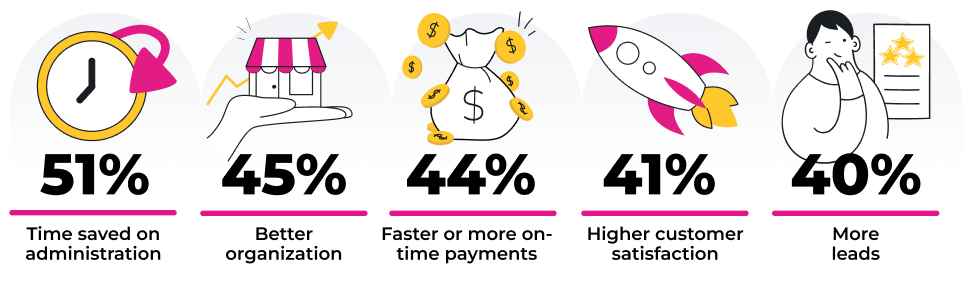
For those SMBs who use it, AI has transitioned from a novelty to a daily utility. The idea of allowing AI to automate routine tasks such as drafting client communications, managing intake forms, organizing schedules, and summarizing customer interactions has become fathomable, and for many, indispensable.
However, providers must tread carefully. “AI for AI’s sake” is failing to gain traction. Simply adding a generative text button to a dashboard does not constitute a strategy. For an AI feature to be adopted, it must bridge the gap between “advanced technology” and “business outcome.” Providers must ask themselves: “Why should my clients use this?” In 2026, the answer must be translated into tangible results: hours saved, leads converted into bookings, or professional communications that help a small team maintain consistency and professionalism.
Furthermore, trust and education remain critical barriers. SMB owners are protective of their client relationships. They need assurance that AI tools will maintain their tone of voice and accuracy. They require guardrails and control. Providers who simply dump AI features on their user base without guidance or human intervention will see low adoption. On the other hand, partners who educate their users and keep them in the driver’s seat by allowing them to approve AI actions will win over the market.
This brings us to the core opportunity for 2026. The organizations best positioned to win are not those offering the flashiest individual features, but those that bundle solutions that enable healthier cashflow along with AI that gradually builds trust into cohesive offerings.
Many service providers admit they struggle to understand the day-to-day needs of their SMB clients. To maximize value in this market, these large organizations must look beyond their traditional services. An SMB wants more than just connectivity from their telco; they want a way to manage the client who calls over that connection. They want more than just a checking account from their bank; they want a way to fill that account with revenue. And they want more than just a spreadsheet of leads from their website, they want a way to convert those leads into paying customers.
Those companies who take a deeper look into their target market’s challenges and goals will see that service-based businesses want it all: lead management, scheduling, payments, and client communication, all wrapped in an affordable, integrated package that includes smart, strategic AI tools. They are simplifying their lives, and they are looking for a partner to help them do it.
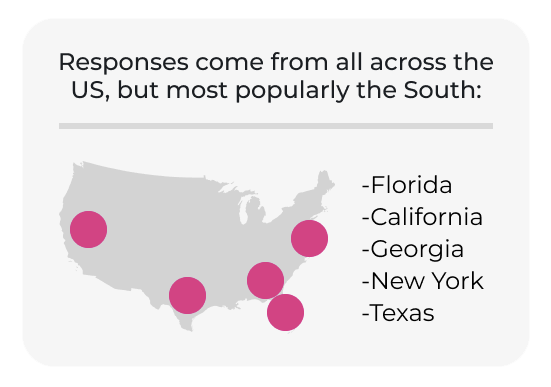
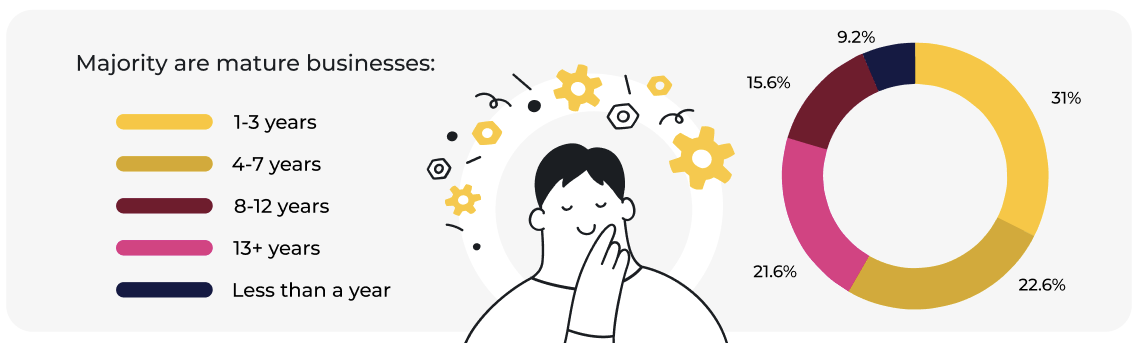
Serving the SMB market might feel like a never-ending chase, but this report is designed to take the guesswork out of the equation. We’ve been collecting data from our surveys of 500 US-based small businesses about their digital transformation journeys since 2023. This report will present the data from our most recent survey (Dec 2025) and outline trends and insights from the past 3 years to give service providers a comprehensive analysis of where their efforts would be best invested.
This is a valuable resource for any provider looking to increase revenue, reduce churn, and increase loyalty with their SMB clients.